The Wacky Hen (2019)

Written for Raf News Jan 2021

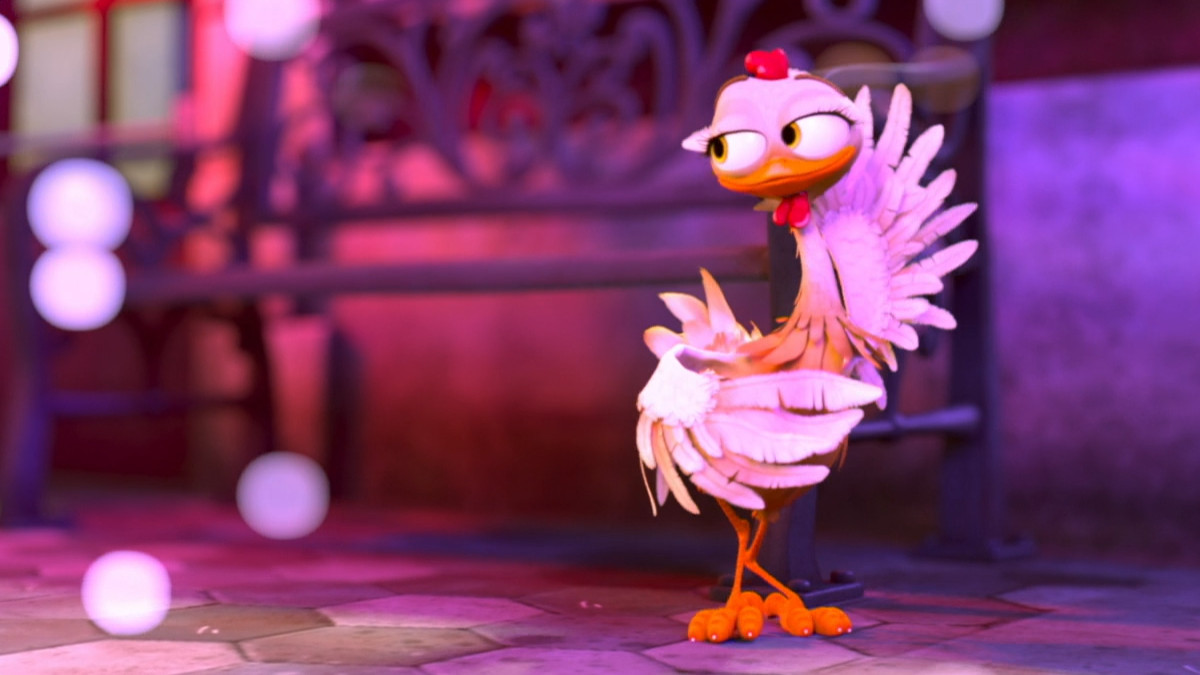
An eye-sore compared to the other hens, it is by some strange stroke of luck that Turu, the titular oddity, is bought for an elderly woman’s farm. Stranger still, that in lieu of laying eggs, she has taken to speaking the language and is prone to bang out the odd tune.
Watch La Gallina Turuleca (Turu, The Wacky Hen) ESP | Prime Video

Stranger things have happened in children’s animated films, and you can see elements of them propping up this simply plotted romp. When elderly saviour and vocal coach Isabel falls from her roof and is carted off to hospital (a Disney film would have surely seen her offed), Turu chases her to the big city by way of a travelling circus.

Dubbed from the original Spanish, The Wacky Hen incorporates contemporary pop songs to keep the energy high, with montages and car chases to the keep the little one’s attentive. The sense of mild peril is constant, what with the circus being threatened with foreclosure if they can’t get a decent audience, and Isabel seeming to suffer a bout of concussion induced amnesia. But it never feels too serious and it’s clear how it will play out: Turu packing the tent to the rafters with a thankfully reworked version of The Macarena (the translation of the original school disco number I had only discovered in later life).

Though the message and moral is that it doesn’t matter what you look like on the outside, the implication is that so long as you’re talented. For Turu it’s a matter of having one-eye in the land of the blind as no other animal can talk; fortunate for our feathered hero as she wouldn’t have survived the first round elimination of Sing.

Jojo Rabbit (2020)

Written for RAF News January 2020

A coming of age story set in the waning years of rule in Nazi Germany, Jojo Rabbit follows young Johannes (Roman Griffin Davis) and the relationships with his rebellious mother, the young Jewish girl hiding in the attic and his invisible friend and motivating confidant, Adolf Hitler.

Image result for jojo rabbit

There are certainly moments of darkness in the film, the true horror of the situation can’t help but push through the playfully subversive tone, but for the most part it plays as a cross between Moonrise Kingdom and Drop Dead Fred. The comedy is constant, propelled with flare by writer director Taika Watiti himself as Jojo’s goofily imagined version of Hitler, offering encouragement when he has no-one else.

Living at home with his mother (Scarlett Johansson), Johannes wants to belong to something and so becomes a fervant fanboy of the Nazi party – Hitler and swastikas adorn his wall like band posters. A member of a Nazi youth camp, headed by a literally and figuratively resigned Captain Klenzendorf (excellently played by Sam Rockwell), here he will learn how to hunt Jews and use explosives. That is until an accident has him thrown out, reduced to a position that has him spending more time at home where he makes the ideology shattering discovery that his mother is hiding the enemy (Thomasin McKenzie).

Led by his ardent but naive enthusiasm, Jojo knows that he can’t risk endangering his mother, and so decides to interrogate the intruder and learn all that he can about the Jews, how they have tails and sleep upside down like bats.

Although there is a deep and truthful resonance with how Nazi propaganda dehumanised Jewish people, the film cleverly refocusses this mythology to be spouted by a prepubescent boy, mocking the absurdity of it all and usurping the power of these historical villains.

Waititi is continuing a precedent set by Charlie Chaplin almost a century ago when making The Great Dictator, stating that “Hitler must be laughed at”.

A Hidden Life (2020)

Written for RAF News December 2019

Terence Malick returns to the subject of the Second World War, this time using his philosophically meandering style to focus on one man’s resistance in a small mountain town in Austria.

Image result for a hidden life"

Malick’s films have become rather divisive since his foray into the more heady and artistic beginning with Tree of Life at the start of the decade. Using a combination of grand sweeping shots of stunning landscapes, and macro observations of intimate detail, he creates a poetic lament on lofty subjects such as the nature of existence, usually through the lens of Christian morality.

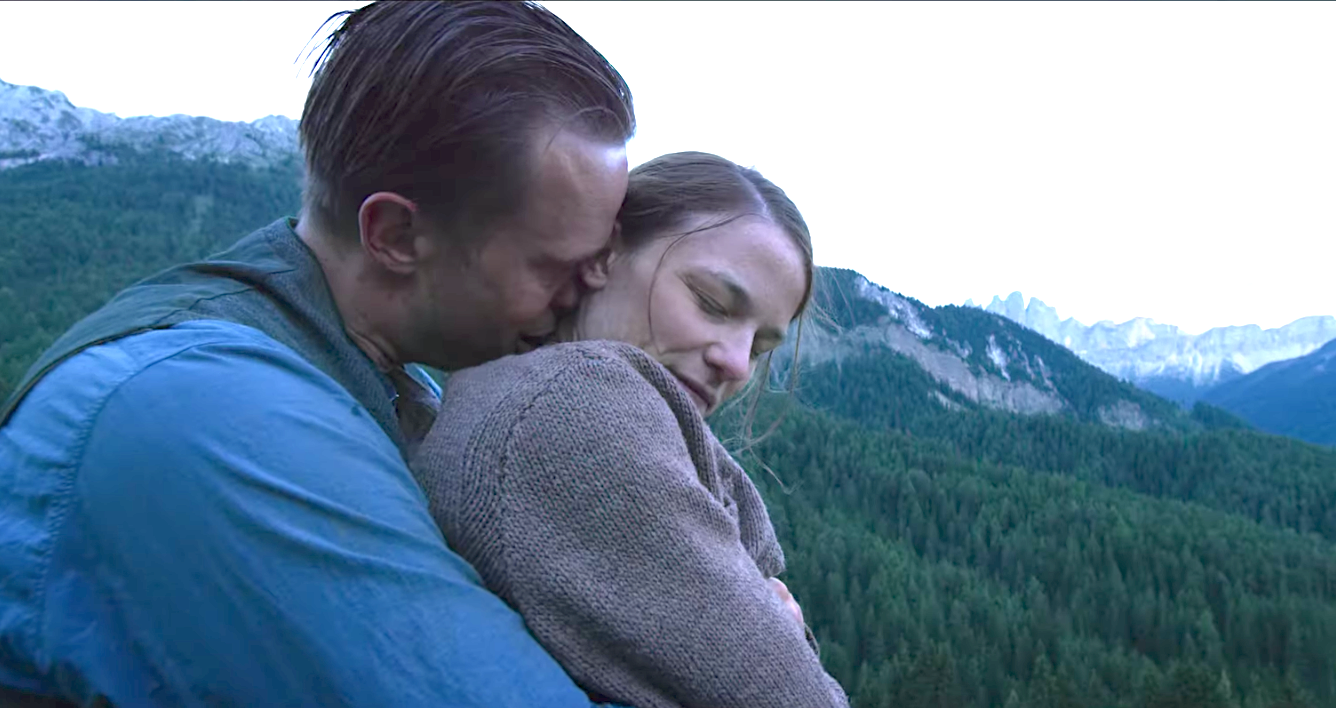
A Hidden Life fits perfectly into this mould, observing Franz Jägerstätter (August Diehl) with his family, the simple pleasures of harvesting crops and playing with his children. This mountain life will soon be disrupted by the growing Nazi invasion as it demands support and allegiance – requiring everyone in town to contribute toward the cause and swear an oath to Adolph Hitler.

Franz’s act of defiance will set him on course for execution, and so he must consider the morality of his actions, weighing the impact on his conscience against the consequences to his family. A question is being asked of the audience, not so subtly mind, of what it means to believe in something and to stand up for it at whatever cost.

The slow pace and long shots ground the characters, so that without dialogue you feel as though you understand the complex emotions. The reflective nature of the film works to have you contemplate the ideas that are being presented, but this pretty much instructed almost instructed by the whispered narration of characters thoughts, another Malick staple, that could be distractingly heavy handed if it weren’t the only element breaking the repetition.

There are moments of observed beauty and connection, but within a much longer and perhaps intentionally simple film, with a 3 hour running time, the point is somehow both lost and overstated.

Honey Boy (2019)

Written for RAF News November 2019

Loving affection overshadows the abusive relationship between a child actor and his father.

Image result for honey boy stills

Written by Shia LaBeouf as a ‘therapy project’, Honey Boy is set around the point in his life when he was the star of a Disney show, captured here as 12 year old Otis (Noah Jupe). Achieving success that would soon bloom into a film career the film focusses instead on the damage of these formative years, jumping back and forward through time to reveal the beginnings of what would later be diagnosed as PTSD.

Opening with a dizzingly assembled montage tracking the successes and exploits of Otis in his 20s (Lucas Hedges), the line is blurred between the person on and off screen. It appears that LaBeouf aims to explain his tabloid notoriety of being drunk and disorderly (arrested for such behaviour as late as July 2017 when shooting recent release Peanut Butter Falcon). The point of both trauma and inspiration appears to be Otis’ father James Lort, a hardened rodeo clown with a a chip from AA and a permanently blocked nose from cocaine abuse, played with phenomenal depth by LeBeouf himself. James is a performer who never made it, belittling his son’s achievements whilst being completely dependant on them, pocketing the per diem and leaving Otis to steal food from the catering on set.

Acting as his son’s vicious cheerleader, there is a fascinating dual quality at play. Young Otis represents the vulnerable and rage-filled child who desperately wants his father’s love, trying and failing to hold his hand in public. Constantly confronted by his failures, LeBeouf, that same little boy grown up, captures the shameful but dedicated part of the father, closing the gap of understanding by putting himself in the role. Our awareness of the actor and the material adds such complexity that the catharsis is palpable.

The chemistry between Jupe and LaBeouf is incredible, at once reviled and idolised, theirs is a complicated relationship that requires much empathy. Filled with comedy and darkness, more often than not holding one within the other. It reminds of last years Ladybird, and perhaps it’s director Alma Har’el that lends a tenderness that creeps in and takes over.

Lying and Stealing (2019)

Written for RAF News November 2019

Beautiful people Ivan and Elyse combine their charm and guile in a con job that aims to get them both out of trouble.

Image result for lying and stealing

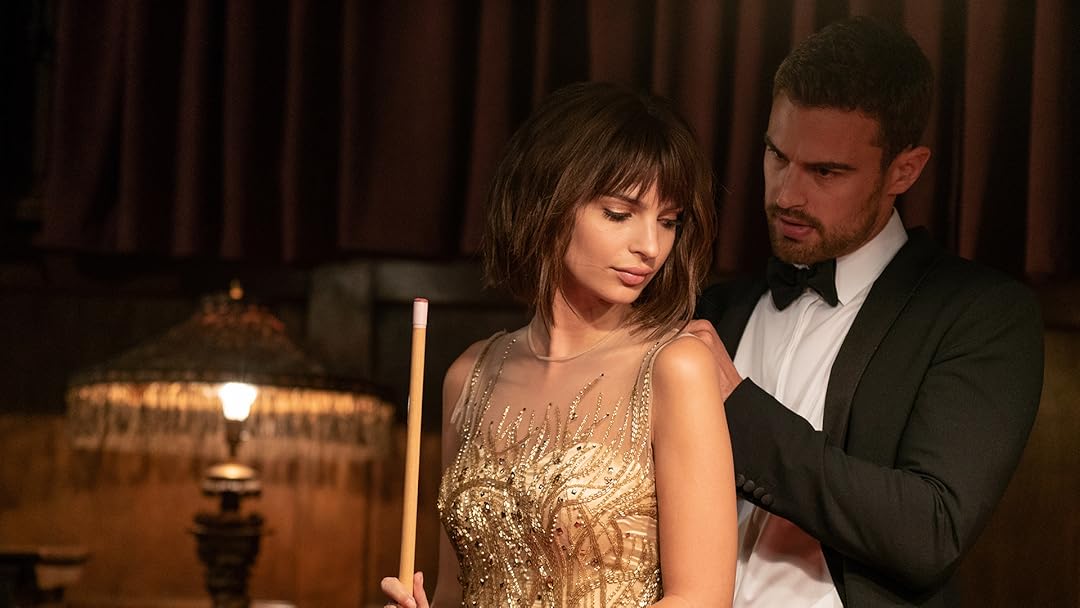
Symmetrically handsome art thief Ivan (Theo James, Divergent Series) owes mob boss Dimitri (Fred Melamed) for the debt of his deceased father. Apparently only two jobs away from his freedom, things seem too good to be true until a local murder and the appearance of the FBI parked outside his apartment.

Added to this, Ivan’s bi-polar brother (Ebon Moss-Bachrach) with the same genetic sticky fingers moves in from rehab, and there’s the addition of wily bombshell Elyse (Emily Ratajkowski), an actress disgraced from Hollywood for rejecting the approach of a lecherous producer, trading favours and taking an interest in our mumbly monotonous hero.

Lying and Stealing does not wait around, it’s a quick 100 minutes that establishes its stakes early on, telegraphs the good guys and the bad, and lets you enjoy the heisty action in short snappy scenes. It doesn’t set up the method of the job, or lean on tension whilst its playing out, you’re simply dropped into the moment to enjoy the satisfaction of someone stealthily applying their craft and using gadgets without detection.

Some way into the film the directorial style comes out of nowhere and it feels like its suddenly appealing to an older audience in both its language and violence. Largely though, it plays as a crime caper with the twists straightened and the style ironed out. It doesn’t get bogged down in the usual double-crosses and plays pretty straight for the most part.

The story is simple and the template shows itself in the details (the big bad known as ‘The Greek’), but there is something to be said for not trying to be too clever and having your grasp exceed your reach.

It could have been more complex or humorous, but it wasn’t, and that’s fine.

Create a free website or blog at WordPress.com.

Up ↑