The Amazing Spiderman 2 (2014)

Written for RAF News April 2014

The Amazing Spiderman 2 sees the alliance of vengeful enemies, this on top of the continued unravelling of Parker’s family secrets and a complicated relationship with forbidden love Gwen Stacey (Emma Stone) but first.. graduation. From the off we are shown that juggling the social life of awkward and anxious Peter Parker against the wise-cracking Spiderman has its complications and are becoming near impossible to keep separate.

electro

Garfield’s Peter Parker is a little more comfortable in himself since the first instalment though he certainly still shows signs of a neurotic, angsty young-adult. He can sometimes come across as conceited and slightly unlikeable, which is understandable really for a superhero.

Whilst Spidey is not without his faults, his soon-to-be enemies are acquaintances who seem to have their own psychological problems – their grudges spawning from their own fears and insecurities. Max Dillon (Jamie Foxx) an electrical engineer for Oscorp feels overlooked and unimportant: the faint whisper of the voice in his head accompanies pangs of social anxiety. This is until an accident leaves him with the ability to control and contort electricity, leading him to discover that creating chaos is rewarded with attention.

Initially idolising Spiderman for saving his life and actually acknowledging him when he was the humble Max Dillon, the now literal electrical engineer Electro has a sudden change of heart. Although Electro brings with him a cinematic presence his motive appears misplaced and sudden, feeling more like a connector to the far darker villain Green Goblin.

Dane Deehan’s descent from Harry Osborn the old school friend of Parker to the monstrous Green Goblin is commanding. A twisted performance that stems from Osborn’s fear of death upon discovering that he has a genetic disorder. As his illness takes over the threat becomes more horrific than spectacular, unlike Electro. The lighter, more comedic tone that the film invites can be misleading at times during these sudden plunges into darkness.

With so much going on Peter Parker seems to struggle with where his focus should be and where his priorities lie – just like the film which seems to spread itself thin and spend too much time away from the compelling characters and storylines.

Pioneer (2014)

Written for RAF News April 2014

Based on the events that took place in the early 80s, when huge oil deposits were discovered in the North Sea, we follow the team comprised of competing Norwegian and American divers who must build a pipeline at never-before reached depths.pioneerDetermined Norwegian diver Petter (Aksel Hennie) and his machismo brother must work with a team of Americans who are in on the deal. Joined by a competitive American diver (Wes Bentley) they undertake a series of tests and trial dives. The initial test involves undergoing pressure changes whilst under an anaesthetic gas – soon revealed to cause hallucinations. So when his brother is involved in a fatal accident during the first test dive, Petter is plagued by uncertainty as he aims to find the cause of his death and the truth behind the gas formula concocted by the powers above.
Pioneer takes on the style of a 70s American political thriller with slowly unfolding conspiracy dragging Petter into the depths of paranoia. Director Erik Skjoldbjærg’s debut film Insomnia (remade by Britain’s own Christopher Nolan) built tension through paranoid hallucinations – but clearly favouring the style of the political thriller these delusions are disappointingly reduced to a few subtle tweaks in Pioneer.

It is the subtlety and slow pacing that seem to unite the Scandinavian style of cinema with classic American thrillers such as The Conversation – which Skjoldbjærg states among others as a major influence. The underwater scenes serve perfectly as an extension of the slow tension building pace. With beautiful use of scale and light Petter clings to his ‘umbilical cord’ that keeps him from being engulfed by the black abyss of the North Sea.

Despite the aesthetic accomplishment of these scenes, and the masterfully crafted score which communicates the claustrophobia and pressure of the environment, the understated drama plays out for the most part above water. As a result the film lulls between dives – ultimately detracting from the drama at the heart of the story.

Stalingrad (2013)

Written for RAF News Feb 2014

Russia’s first Imax film explores one of the bloodiest battles in history that marked a major turning point in World War II against Nazi Germany. We follow a band of Soviet soldiers as they attempt to defend a devastated building from attack along with it’s last inhabitant: a young Russian woman who refuses to leave – this is her home.

Image

The 3D technology and CGI is at its best when revealing the scale of chaos that engulfs Stalingrad, but it is soon honed in to focus on this group of soldiers and their relationship with Katya (Maria Smolnikova). This frail woman and the building she lives in will become a symbol of what the Russian forces are fighting for.

Most of the film is spent in anticipation of battle with the soldiers looking out through the sights of their rifles from this new command post, and yet there is little strategy devised by the group – at one point even coming down to the flip of a coin. The battle sequences are surprisingly scarce and over-the-top; depicting the close combat fighting that is characteristic of Stalingrad through stylised slow motion that draws inspiration from Zack Snyder’s 300.

Confined mostly to this building the 3D element of the film quickly becomes redundant despite the stated intention to involve the viewer in the emotional drama. The most interesting thread in Stalingrad is the humanised depiction of Captain Kahn (Thomas Kretschman), the Nazi officer who leads the attacks on the building. But where this one cliché is averted others are simply reinstated. Women and children become bargaining chips to be traded for emotional investment.

The jump from stylised violence to drama seems to detract from both styles as one is left wondering how serious to take the film. Stalingrad is a film that features impressive use of 3D and CGI during battle sequences, but the drama that takes focus for the majority of the film is slow and unmoving and not improved by 3D.

The Armstrong Lie (2014)

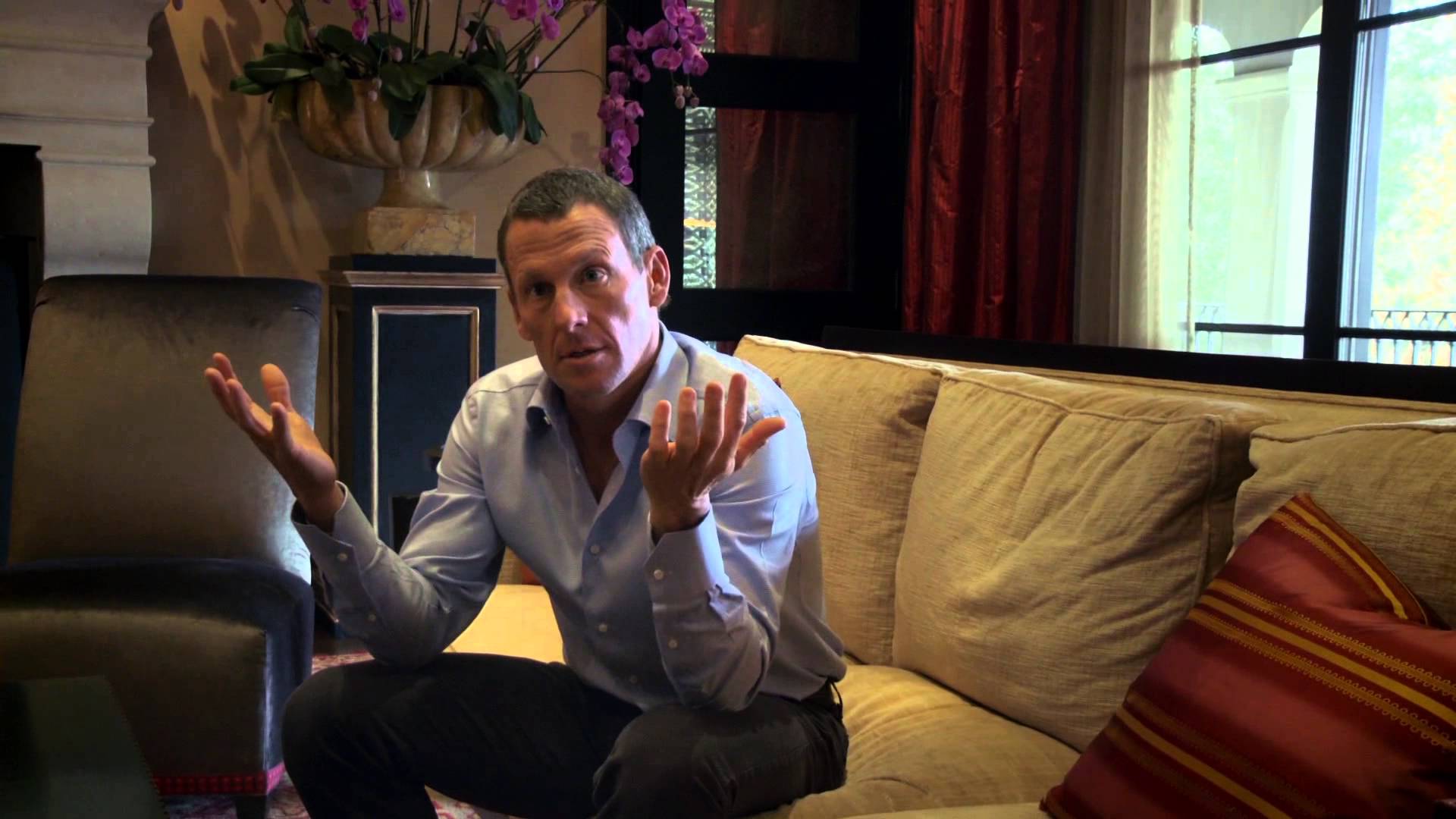
Initially following Lance Armstong’s return to compete in the 2009 Tour de France, The Armstrong Lie redresses the man at the heart of the scandal following his eventual confession to blood-doping.

tal

Armstrong became a symbol of Americana: winning the Tour De France a record 7 times after being diagnosed with testicular cancer that had spread to his abdomen and lungs. Through chemotherapy and brain surgery he was a true underdog turned champion. A mythic character.

It’s hard to lose sight of the accomplishments of Armstrong, as an athlete and also as founder of the Livestrong Foundation, which has raised over $300 million toward cancer research and supporting cancer survivors. However, opening with his confession in an interview with Oprah Winfrey early last year, the film is careful to not to be sympathetic as it revisits his history of competitive cycling alongside his extensive involvement with performance enhancing drugs.

Interestingly the film seems to ground Armstrong’s actions as understandable – viewed within the context of drug use in the sport – focussing instead on his ability to lie and the sheer audacity with which he does it. This audacity, that dovetails with Armstrong’s characteristic arrogance, shines out from archived footage and interviews that take a very different tone with the knowledge of what was happening behind closed doors. At one point we see Armstrong and the team as they board their bus to receive blood transfusions that would aid their recovery – surrounded by fans and press.

The Armstrong Lie is a fascinating reexamination of a man – looking at the capabilities endowed by ego. Shown adamantly denying accusations, so convincingly in fact that all sense of sincerity is lost. His unbelievable competitiveness and uncompromising nature blend into a fabric of deception and mistrust.

Perhaps he was lying for so long that he began to believe it, or as with cycling – he just got good at it.

Written for RAF News Dec 2013

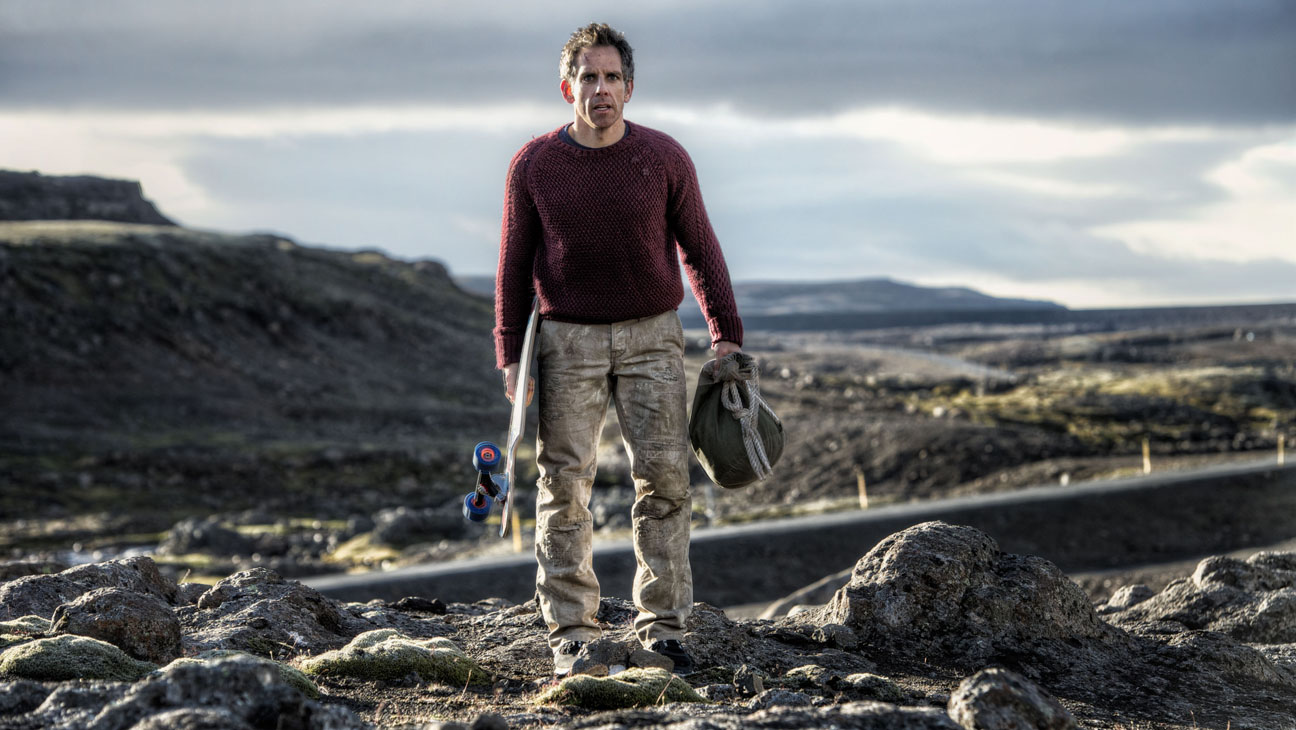
Walter Mitty (Ben Stiller) is surrounded by Life: a magazine that features the awe-inspiring majesty of nature. He works in the basement however, processing the negatives of these photographs – glimpsing beauty but never truly experiencing it. The closest he gets to experience anything notable is in daydreams that transport him to a world in which he is able to steal the attention of his office crush Cheryl (Kristen Wiig). A world in which he can jump through the window of a burning building to save her three-legged dog.

DF-11070-Edit - Ben Stiller in THE SECRET LIFE OF WALTER MITTY.

Walter’s realised daydreams bring huge scale fantasies into the mundanity of his real life. But when he misplaces a negative from renowned photographer Sean O’Connell (Sean Penn) that is said to capture the quintessence of Life, Walter sets out into the wild to track him down and save his job – trading fantasy for true personal experience.

As director Stiller showcases his familiarity with different comedic styles: the fantasy sequences allowing for the scenes to take on different tones from slapstick to parody. Wiig also demonstrates her well-practiced character acting as a former cast member of hit American sketch show Saturday Night Live. Together they have a natural dynamic but this is used very scarcely as Walter flees to Europe alone. It would seem as though the romantic interest is abandoned half way through the film but it becomes clear that Walter’s journey is more about self-discovery.

Tracking Sean from Greenland to the Himalayas, sweeping shots and wide framing revel in the grand scale of these picturesque locations. Accompanied by an ever-inspirational soundtrack, and alongside the odd drop into fantasy, The Secret Life of Water Mitty can at times feel like a series of trailers but it certainly never slows down enough for you to lose interest.

Blog at WordPress.com.

Up ↑