The Real Charlie Chaplin (2022)

Written for RAF News Feb 2022

From rags to riches; a silent movie megastar to a political voice; from abuser to family man – The Real Charlie Chaplin endeavours to shine a light on the many faces of this icon.
The Real Charlie Chaplin Review: An Ambitious Attempt To Quantify a Legend

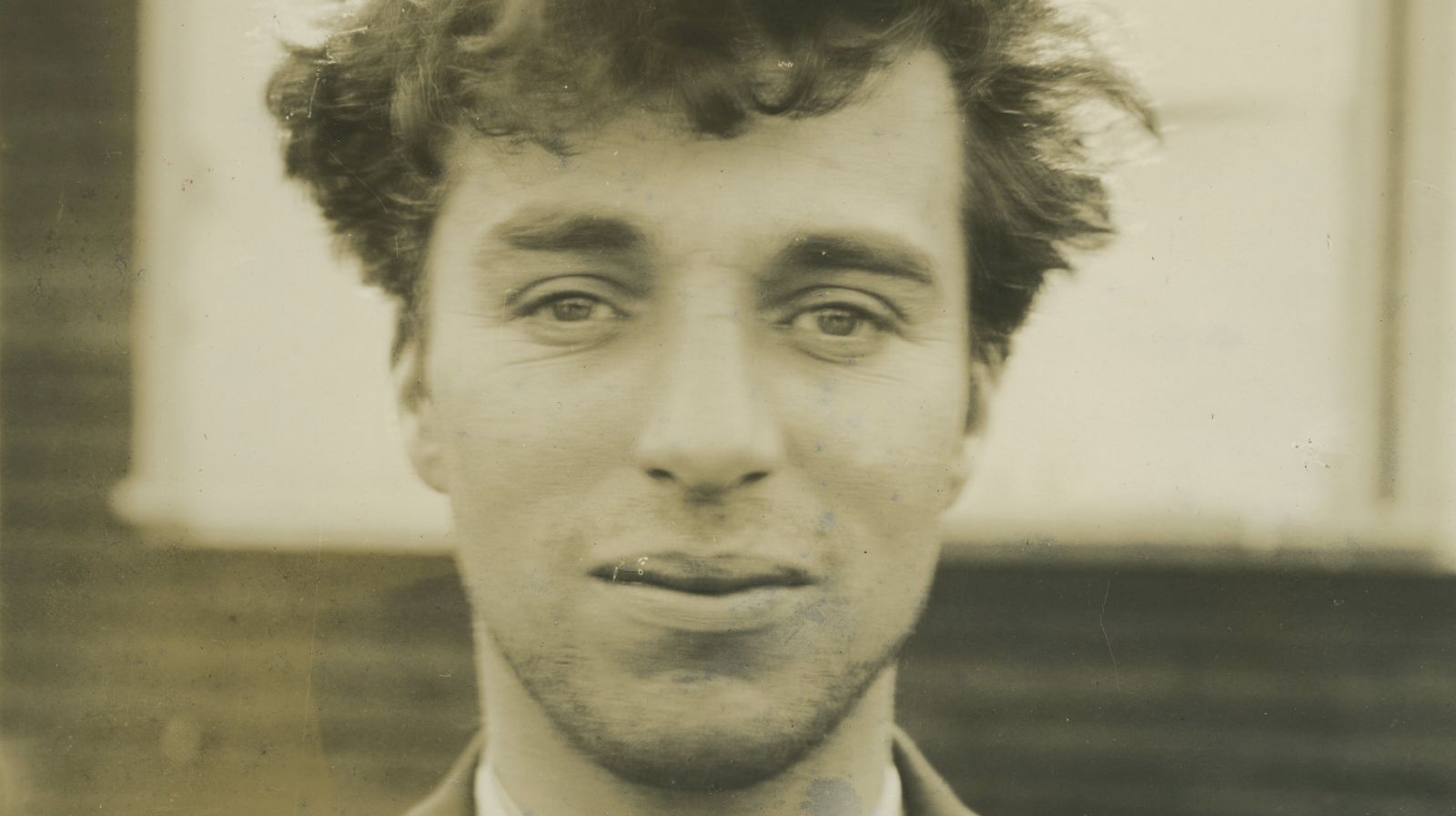
The film opens with the rush of Chaplin fever. A global sensation in which this bowler-hat wearing, toothbrush moustached Little Tramp character could be recognised anywhere, known as Charlot across some parts of Europe, or rather more tellingly as Professor Alcohol in Japan. This documentary looks at the creation of the character (plus the lawsuits surrounding) gives an overview of his films, and offers a few glimpses behind the curtain by way of reconstructed archive interviews, including a rare profile of the man himself.

Looking at Charlie’s destitute upbringing in East London, his drive for success in vaudeville and subsequent hit films, the parallels between his life on and off screen become very apparent and make the emotion of his performances all the more resonant. Whilst The Great Dictator was the first time he leant a voice to the Tramp, to combat the rising power of Adolf Hitler by preaching a message of love, it would also lead Chaplin to speaking out more publicly, landing him in the spotlight accused of being a Communist sympathiser.

The documentary deserves to be celebrated in the way that it tackles the dark and looming past of Chaplin and his relationships. Not treating the subject as simply scandal, but acknowledging the flawed man by way of his ex-wife’s testimony, it reveals accusations of serious abuse. Without dropping the thread of the film to demonise, or brush aside these accusations and continue to deify, the film admirably works this into the picture it has created thus far, accepting and separating the man from his work. 

The title of the film suggests an exposé, but comes to rest on the fact that there is no one true account, instead offering a mosaic of information. Whilst the content is not too in-depth, it is always a pleasure to watch scenes from Chaplin’s iconic films and be reminded of the finessed brilliance of his slapstick comedy.

Shadow in the Cloud (2022)

Written for RAF News Jan 2022

Despite the PSA at the start of the film insisting that ‘gremlins’ are just an excuse made for human error, Officer Maud Garrett (Chloë Grace Moretz) has herself a window seat on a B-17 Bomber where something doesn’t seem right.

Set in 1943, Garrett jumps aboard The Fool’s Errand on the runway, insisting to the incredulous crew that she is not only a member of the RAF, but intended for this vessel with shoebox-sized cargo that is fragile and completely confidential. With many clearly not having seen a ‘dame’ in some time, she is mocked, harassed and given the only available seat in the form of a turret below deck. 

We spend the first half of the film crammed into this tight space with Maud listening to the rowdy lads above through the comms. By honing the focus on Maud and what she sees from this vantage point, the film makes a decision that is creatively minimal. The idea of ‘something on the wing of the plane’ has been seen before in The Twilight Zone, but here it is placed in the context of a small paranoid unit, willing to right off the warning of gremlins as female hysteria. And yet much like The Twilight Zone, the film manages to pack in a load of twists and turns along the way as Maud’s secrets begin to spill out.

Once the film reaches the midpoint, what seemed like a budgetary decision in the beginning is revealed as an artistic choice as impressive effects come into play. It may lose its horror film tension, but it is happy to change shape and shift genre, becoming more of a mindless monster movie with a feminist streak. Embracing its silliness the fun is hard to deny as things go full tilt and the laws of physics go out the window.

The Lost Daughter

Written for RAF News December 2021

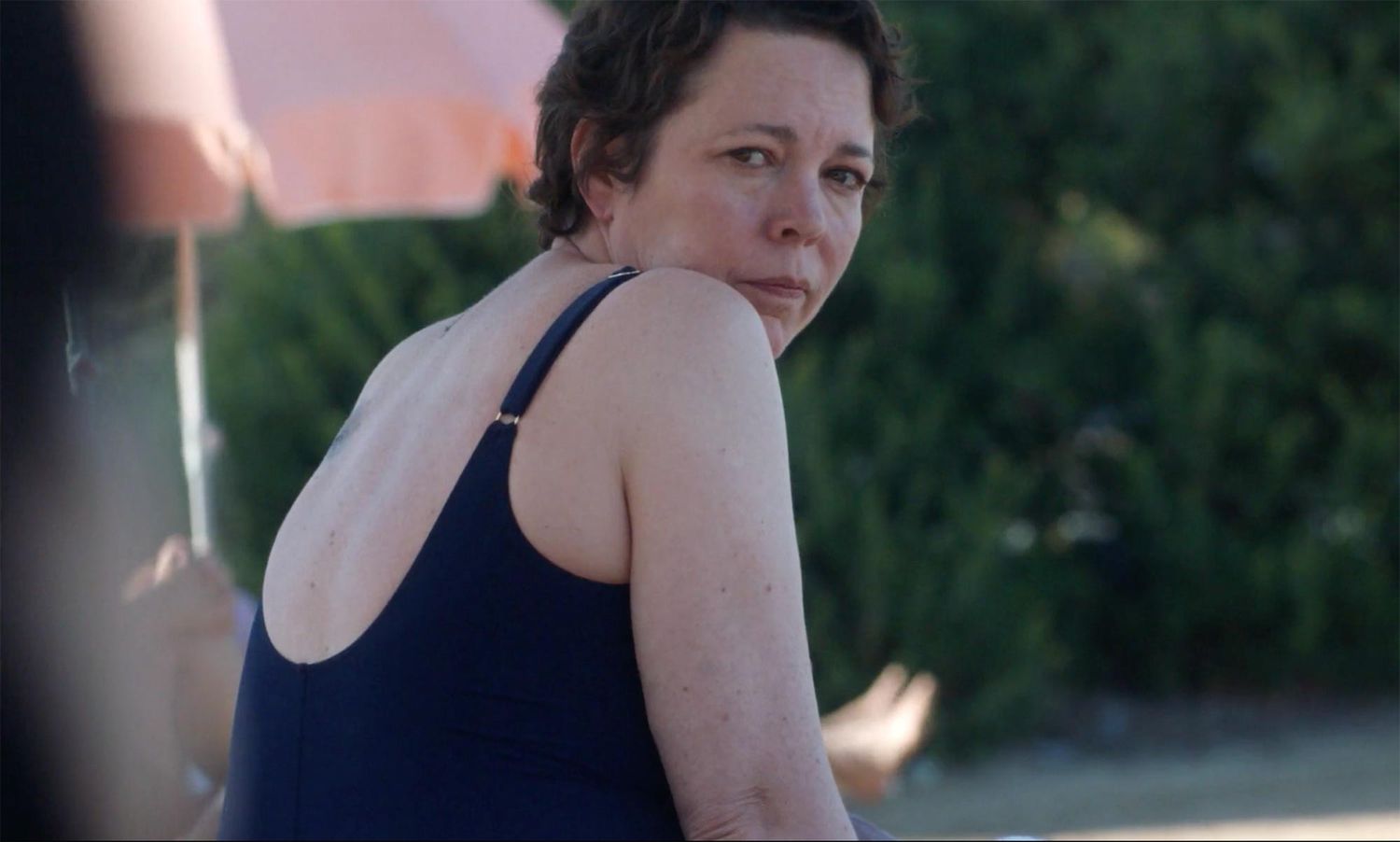
Olivia Colman stars as Leda Caruso, a middle-aged language professor taking her working holiday alone in Greece, finding a peacefulness that will very quickly evaporate. The fruit bowl in her apartment is mouldy, the apartment neighbours a working lighthouse, and some undesirables, from a villa just up the way, have taken over the beach.

Not shy of confrontation, Leda politely refuses when asked by the matriarch of this rowdy group of New Yorkers if she could make space for them, instigating a feud that underlies the rest of the film. Even when Leda helps to find the group’s young daughter when she goes missing, there remains an unshakeable tension.

Actor Maggie Gyllenhaal makes her debut as writer and director on The Lost Daughter, adapting Elena Ferrante’s novel of the same name. Through this complex central character, Gyllenhaal weaves together two timelines to explore reflections on motherhood, identity and regret.

Leda is self-assured, if not combative, so when she stands her ground, the young mother of the group, Nina (Dakota Johnson) takes an interest. This connection runs both ways as Leda observes Nina struggling with her young daughter, exasperated by her constant need of care and attention. These moments serve as a springboard into flashbacks, in which we see Leda 20 years earlier (played by Jessie Buckley), trying and failing to manager her independence and her two daughters. Through Leda’s exchanges with Nina, she is reckoning with her past self, offering reassurances, but edging ever closer to danger.

The film paints a picture of so-called ‘unnatural mothers’ enduring trials of parenthood that are messy and punishing, normalising these ideas and expanding the scope of female relationships on screen. An impressive piece of filmmaking with challenging characters and ideas, and solid performances across the board.

Power of the Dog (2021)

Written for RAF News November 2021

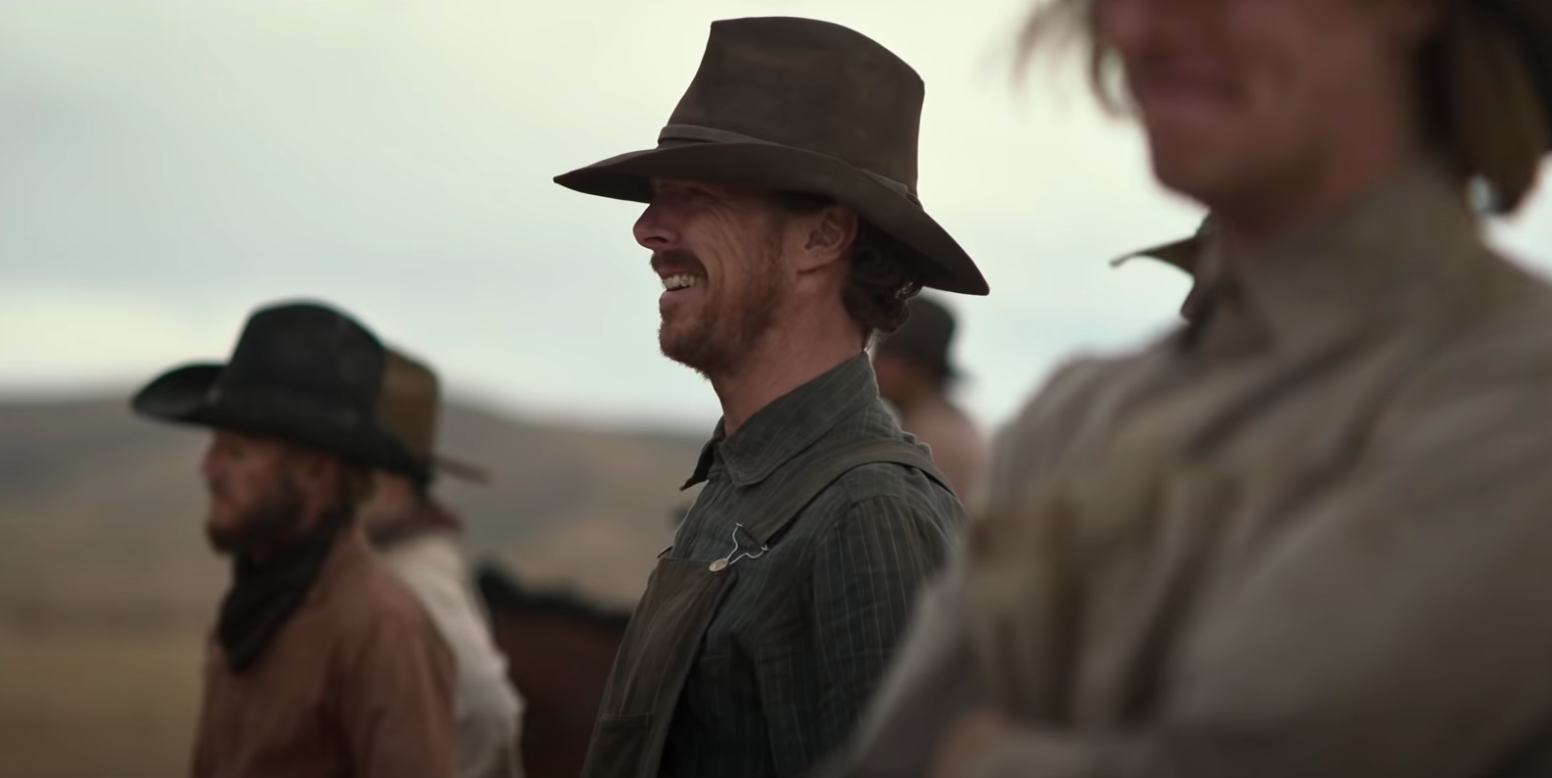
Jane Campion’s return to film after a decade is a Western set in the early 20th Century, digging into classic cowboy archetypes in a uniquely gripping drama. 

Two brothers, owners of a successful ranch, find their paths diverging as soon as a romantic interest enters the picture. Phil (Benedict Cumberbatch) toils in the mud with his hands and doesn’t care for using the tub in the house, favouring the stream. A brute who commands the respect of his workers and shares in the dirt alongside them. Then there is the younger, more put together George (Jess Plemons), who has the business acumen and social sensibility – who, when he sees the chance, pursues a marriage with a widow. 

Played by Kirsten Dunst, Rose runs a restaurant with her intelligent but sensitive boy, Peter. Kodi Smit-McPhee finds himself in another western since Slow West, though he remains out of place – picked on instantly by Phil and his gang of predatory cowhands for his effeminate demeanour. Cumberbatch appears to be having a lot of fun ratcheting up the villainy, tormenting anyone outside of the ranch purely to delight himself. So, when brother George weds Rose and brings her into their home, Phil becomes an insidious bully – mocking and taunting his new family.

A deeper facet of Phil is uncovered however when he talks about his late teacher ‘Bronco Henry’ – possessing such adoration that it borders on religious, or maybe even sexual. Power of the Dog offers a sly deconstruction of masculinity, becoming a comedy of manners with both humour and tension coming from the confrontational exchanges that take place in mixed company. 

The film is filled with stunning cinematography, of vast landscapes – green and gold hills, as opposed to sandy dunes – with powerful standalone images that shine with symbolic potency. A tense and deceptive film that keeps you involved but may still catch you off guard.

The Humans (2021)

Written for RAF News November 2021

When their youngest daughter moves to a ramshackle duplex in Lower Manhattan, the Blake family come over to celebrate Thanksgiving in full force – but the cracks are beginning to show.

Brigid (Beanie Feldstein) has just moved with boyfriend Richard (Steven Yeun) into the best place they could afford in the city. Out of towner parents Deidre (an incredibly precise Jayne Houdyshell) and Erik (a wonderfully preoccupied and safety-concerned Richard Jenkins) clearly haven’t come from money themselves and display a frugality that borders on hopelessness – at one point despairing that “it should cost less to be alive”. Amy Schumer gives an impressively real performance as Brigid’s sister Aimee, having been through a breakup and lost her job. And then there’s Momo (June Squibb), the grandmother whose dementia has her bound to a wheelchair that can barely fit through the doorway of the apartment.

Adapting his Tony award winning play for the screen, Stephen Karam crams his characters into the confines of a flat where the walls are covered in bubbled paint and water damage, showing us the detail of disrepair in frequent cutaways. Between the cramped hallways, and high ceilings, it almost needs to be filmed in a ratio more vertical. Instead most scenes are shot from neighbouring rooms, almost always framed by walls on either side. The claustrophobia is offset initially by the humour of the Blakes, who possess a familial nature that feels genuine.

That is until the jokes give way to the dramas underlying the evening – the secrets and judgements. It doesn’t matter what is said behind closed doors when the walls are so thin. With each personal revelation, and blown lightbulb, a tension builds to the point of horror – helped along by the sudden violent sounds of surrounding city life.

Settling us into the family dynamic with comedy, this familiarity is then turned in on itself, with the Blakes grinding on each other the way only a family can, even weaponising the words ‘Happy Thanksgiving’.

The Humans manages to be grounded in reality and yet is elevated to be cinematic – a film that feels fully lived in, with stupendous writing and casting to match.

Create a free website or blog at WordPress.com.

Up ↑