Shepherd (2021)

Written for RAF News February 2022

Struggling to cope after the death of his pregnant wife, Eric (Tom Hughes) escapes to a job as a shepherd on a remote Scottish island, becoming a prisoner to his own grief and guilt.

Taken to the uninhabited island on a small boat captained by an ominous, one-eyed woman (Kate Dickie) with a penchant for taxidermy, the ensuing horror couldn’t be more signposted until they reach his accommodation: a ramshackle cottage on the coast with no power or running water.

Eric must come to terms with what happened to his unfaithful wife (Gaia Weiss) and the impact it had on his relationship with his mother (Greta Scacchi), with only a journal and his dog Baxter for company. Eric’s repressed emotions will have him lose his grip on reality as dark hallucinations take shape – clues to the untold story that led him here. Thrown into the aftermath and having to make sense of the story through these visions, it is a simple story gradually told, but its power comes through the atmosphere and cinematography. 

The island itself is caught in breath-taking wide shots that capture the desolation, the hilly landscape becoming positively Martian in moments, whilst the interiors become creakier and crumbling. The locations perfectly reflect the themes of the film, and continue to do so as Eric spirals. Much like recent maritime nightmare The Lighthouse, it uses the isolation as a springboard into grief and past trauma, with certain horrific images punctuating the routine in a rather shocking and inventive manner. 

Chaptered like his journal, the film jumps to certain days on the island, although this stop-start rhythm does interrupt the momentum towards the end of the film. As it builds to a close, you realise that there wasn’t too much story to be revealed anyhow, and yet it manages to do a lot with such a simple idea.
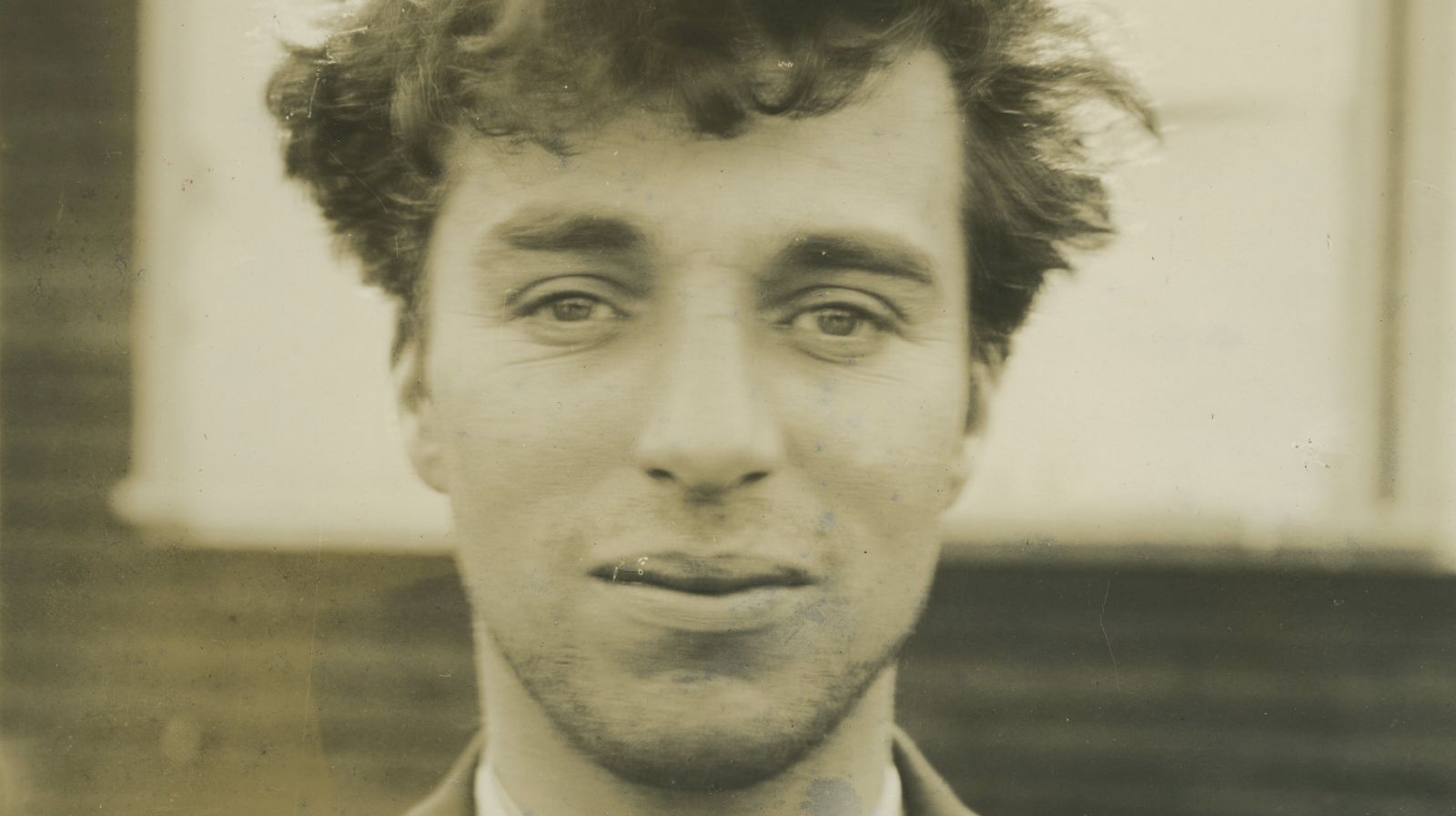
The Real Charlie Chaplin (2022)

Written for RAF News Feb 2022

From rags to riches; a silent movie megastar to a political voice; from abuser to family man – The Real Charlie Chaplin endeavours to shine a light on the many faces of this icon.

The Real Charlie Chaplin Review: An Ambitious Attempt To Quantify a Legend

The film opens with the rush of Chaplin fever. A global sensation in which this bowler-hat wearing, toothbrush moustached Little Tramp character could be recognised anywhere, known as Charlot across some parts of Europe, or rather more tellingly as Professor Alcohol in Japan. This documentary looks at the creation of the character (plus the lawsuits surrounding) gives an overview of his films, and offers a few glimpses behind the curtain by way of reconstructed archive interviews, including a rare profile of the man himself.

Looking at Charlie’s destitute upbringing in East London, his drive for success in vaudeville and subsequent hit films, the parallels between his life on and off screen become very apparent and make the emotion of his performances all the more resonant. Whilst The Great Dictator was the first time he leant a voice to the Tramp, to combat the rising power of Adolf Hitler by preaching a message of love, it would also lead Chaplin to speaking out more publicly, landing him in the spotlight accused of being a Communist sympathiser.

The documentary deserves to be celebrated in the way that it tackles the dark and looming past of Chaplin and his relationships. Not treating the subject as simply scandal, but acknowledging the flawed man by way of his ex-wife’s testimony, it reveals accusations of serious abuse. Without dropping the thread of the film to demonise, or brush aside these accusations and continue to deify, the film admirably works this into the picture it has created thus far, accepting and separating the man from his work. 

The title of the film suggests an exposé, but comes to rest on the fact that there is no one true account, instead offering a mosaic of information. Whilst the content is not too in-depth, it is always a pleasure to watch scenes from Chaplin’s iconic films and be reminded of the finessed brilliance of his slapstick comedy.

Shadow in the Cloud (2022)

Written for RAF News Jan 2022

Despite the PSA at the start of the film insisting that ‘gremlins’ are just an excuse made for human error, Officer Maud Garrett (Chloë Grace Moretz) has herself a window seat on a B-17 Bomber where something doesn’t seem right.

Set in 1943, Garrett jumps aboard The Fool’s Errand on the runway, insisting to the incredulous crew that she is not only a member of the RAF, but intended for this vessel with shoebox-sized cargo that is fragile and completely confidential. With many clearly not having seen a ‘dame’ in some time, she is mocked, harassed and given the only available seat in the form of a turret below deck. 

We spend the first half of the film crammed into this tight space with Maud listening to the rowdy lads above through the comms. By honing the focus on Maud and what she sees from this vantage point, the film makes a decision that is creatively minimal. The idea of ‘something on the wing of the plane’ has been seen before in The Twilight Zone, but here it is placed in the context of a small paranoid unit, willing to right off the warning of gremlins as female hysteria. And yet much like The Twilight Zone, the film manages to pack in a load of twists and turns along the way as Maud’s secrets begin to spill out.

Once the film reaches the midpoint, what seemed like a budgetary decision in the beginning is revealed as an artistic choice as impressive effects come into play. It may lose its horror film tension, but it is happy to change shape and shift genre, becoming more of a mindless monster movie with a feminist streak. Embracing its silliness the fun is hard to deny as things go full tilt and the laws of physics go out the window.

Create a free website or blog at WordPress.com.

Up ↑