Shepherd (2021)

Written for RAF News February 2022

Struggling to cope after the death of his pregnant wife, Eric (Tom Hughes) escapes to a job as a shepherd on a remote Scottish island, becoming a prisoner to his own grief and guilt.

Taken to the uninhabited island on a small boat captained by an ominous, one-eyed woman (Kate Dickie) with a penchant for taxidermy, the ensuing horror couldn’t be more signposted until they reach his accommodation: a ramshackle cottage on the coast with no power or running water.

Eric must come to terms with what happened to his unfaithful wife (Gaia Weiss) and the impact it had on his relationship with his mother (Greta Scacchi), with only a journal and his dog Baxter for company. Eric’s repressed emotions will have him lose his grip on reality as dark hallucinations take shape – clues to the untold story that led him here. Thrown into the aftermath and having to make sense of the story through these visions, it is a simple story gradually told, but its power comes through the atmosphere and cinematography. 

The island itself is caught in breath-taking wide shots that capture the desolation, the hilly landscape becoming positively Martian in moments, whilst the interiors become creakier and crumbling. The locations perfectly reflect the themes of the film, and continue to do so as Eric spirals. Much like recent maritime nightmare The Lighthouse, it uses the isolation as a springboard into grief and past trauma, with certain horrific images punctuating the routine in a rather shocking and inventive manner. 

Chaptered like his journal, the film jumps to certain days on the island, although this stop-start rhythm does interrupt the momentum towards the end of the film. As it builds to a close, you realise that there wasn’t too much story to be revealed anyhow, and yet it manages to do a lot with such a simple idea.
The Lost Daughter

Written for RAF News December 2021

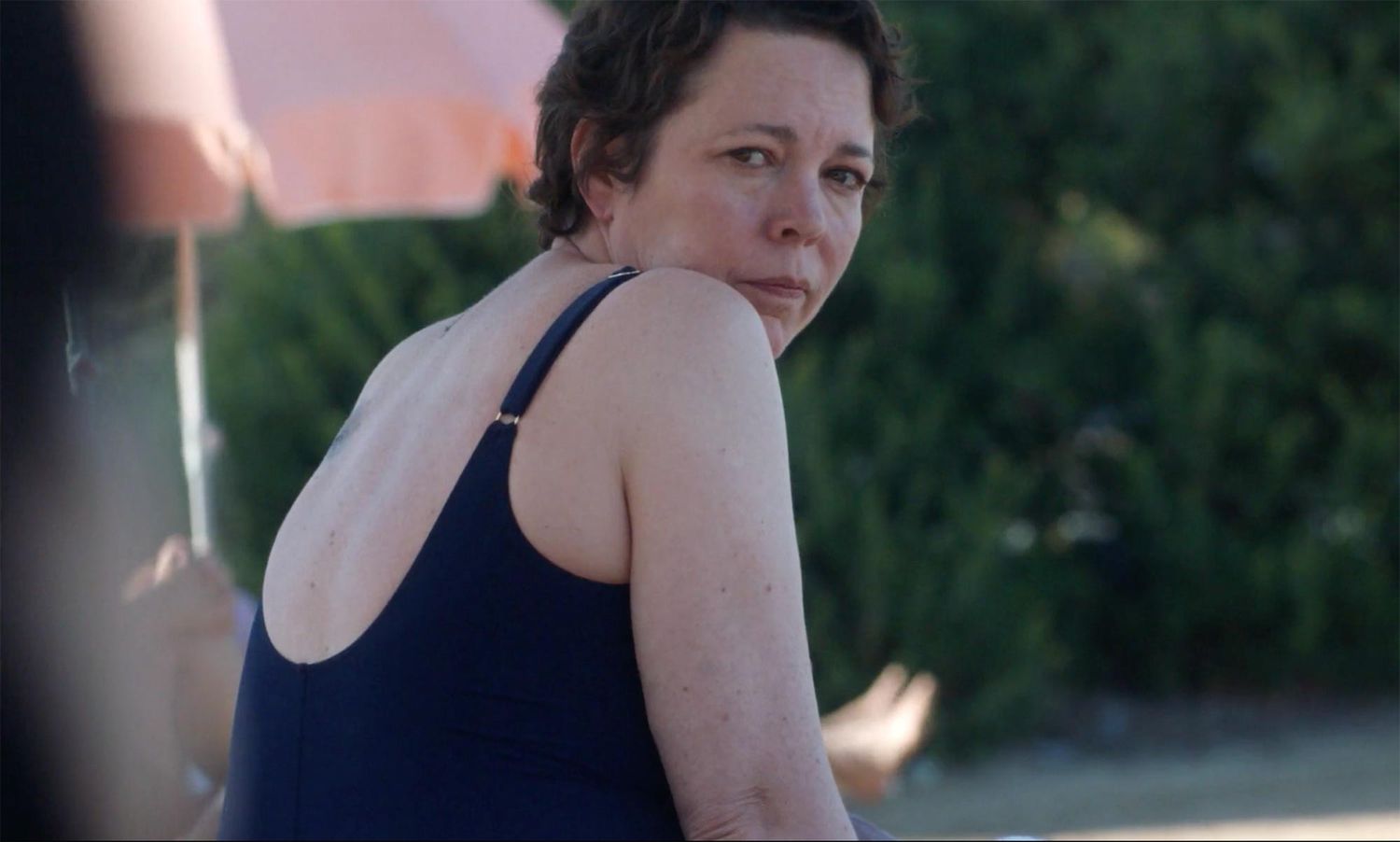
Olivia Colman stars as Leda Caruso, a middle-aged language professor taking her working holiday alone in Greece, finding a peacefulness that will very quickly evaporate. The fruit bowl in her apartment is mouldy, the apartment neighbours a working lighthouse, and some undesirables, from a villa just up the way, have taken over the beach.

Not shy of confrontation, Leda politely refuses when asked by the matriarch of this rowdy group of New Yorkers if she could make space for them, instigating a feud that underlies the rest of the film. Even when Leda helps to find the group’s young daughter when she goes missing, there remains an unshakeable tension.

Actor Maggie Gyllenhaal makes her debut as writer and director on The Lost Daughter, adapting Elena Ferrante’s novel of the same name. Through this complex central character, Gyllenhaal weaves together two timelines to explore reflections on motherhood, identity and regret.

Leda is self-assured, if not combative, so when she stands her ground, the young mother of the group, Nina (Dakota Johnson) takes an interest. This connection runs both ways as Leda observes Nina struggling with her young daughter, exasperated by her constant need of care and attention. These moments serve as a springboard into flashbacks, in which we see Leda 20 years earlier (played by Jessie Buckley), trying and failing to manager her independence and her two daughters. Through Leda’s exchanges with Nina, she is reckoning with her past self, offering reassurances, but edging ever closer to danger.

The film paints a picture of so-called ‘unnatural mothers’ enduring trials of parenthood that are messy and punishing, normalising these ideas and expanding the scope of female relationships on screen. An impressive piece of filmmaking with challenging characters and ideas, and solid performances across the board.

Power of the Dog (2021)

Written for RAF News November 2021

Jane Campion’s return to film after a decade is a Western set in the early 20th Century, digging into classic cowboy archetypes in a uniquely gripping drama. 

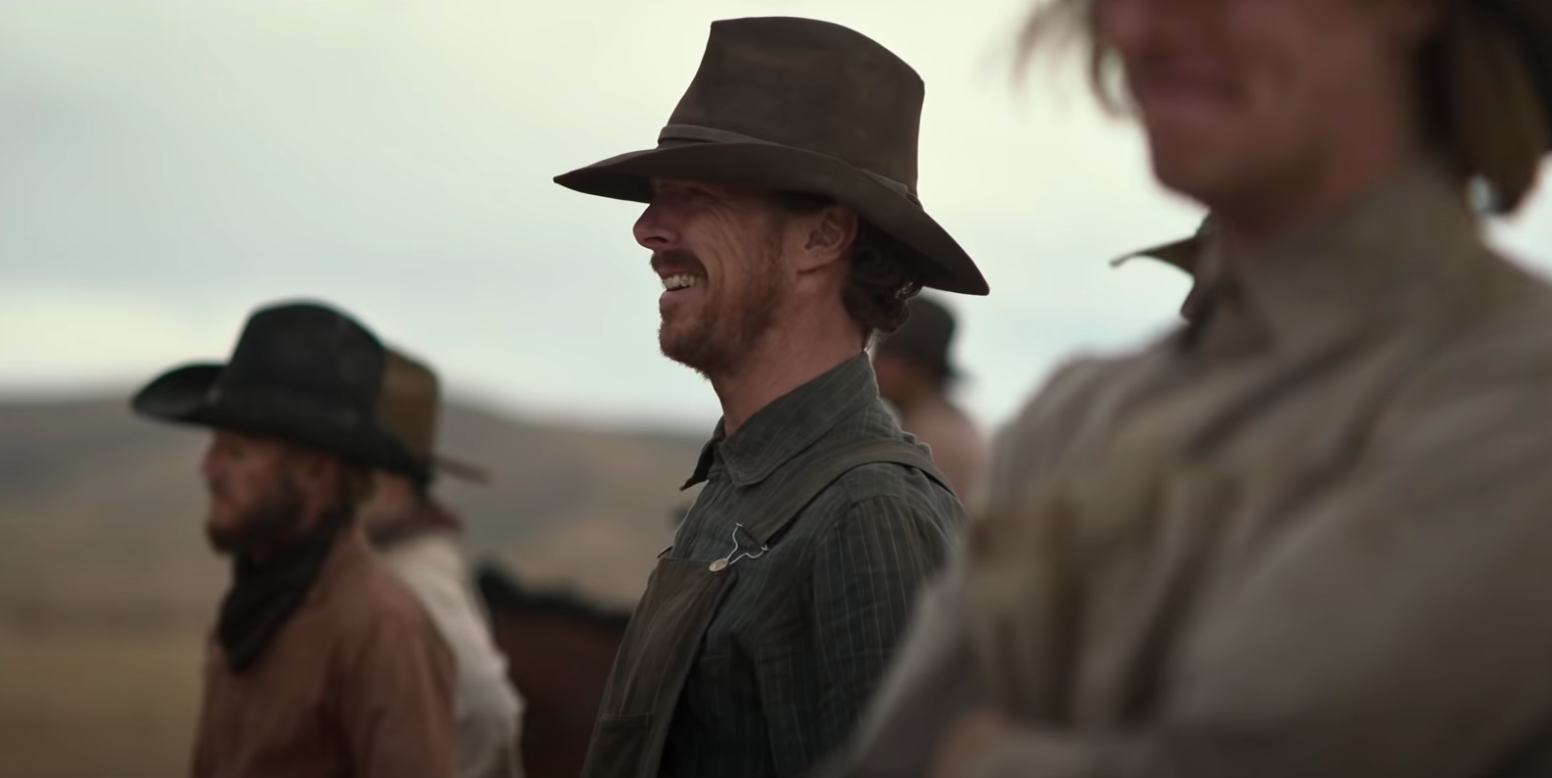
Two brothers, owners of a successful ranch, find their paths diverging as soon as a romantic interest enters the picture. Phil (Benedict Cumberbatch) toils in the mud with his hands and doesn’t care for using the tub in the house, favouring the stream. A brute who commands the respect of his workers and shares in the dirt alongside them. Then there is the younger, more put together George (Jess Plemons), who has the business acumen and social sensibility – who, when he sees the chance, pursues a marriage with a widow. 

Played by Kirsten Dunst, Rose runs a restaurant with her intelligent but sensitive boy, Peter. Kodi Smit-McPhee finds himself in another western since Slow West, though he remains out of place – picked on instantly by Phil and his gang of predatory cowhands for his effeminate demeanour. Cumberbatch appears to be having a lot of fun ratcheting up the villainy, tormenting anyone outside of the ranch purely to delight himself. So, when brother George weds Rose and brings her into their home, Phil becomes an insidious bully – mocking and taunting his new family.

A deeper facet of Phil is uncovered however when he talks about his late teacher ‘Bronco Henry’ – possessing such adoration that it borders on religious, or maybe even sexual. Power of the Dog offers a sly deconstruction of masculinity, becoming a comedy of manners with both humour and tension coming from the confrontational exchanges that take place in mixed company. 

The film is filled with stunning cinematography, of vast landscapes – green and gold hills, as opposed to sandy dunes – with powerful standalone images that shine with symbolic potency. A tense and deceptive film that keeps you involved but may still catch you off guard.

The Humans (2021)

Written for RAF News November 2021

When their youngest daughter moves to a ramshackle duplex in Lower Manhattan, the Blake family come over to celebrate Thanksgiving in full force – but the cracks are beginning to show.

Brigid (Beanie Feldstein) has just moved with boyfriend Richard (Steven Yeun) into the best place they could afford in the city. Out of towner parents Deidre (an incredibly precise Jayne Houdyshell) and Erik (a wonderfully preoccupied and safety-concerned Richard Jenkins) clearly haven’t come from money themselves and display a frugality that borders on hopelessness – at one point despairing that “it should cost less to be alive”. Amy Schumer gives an impressively real performance as Brigid’s sister Aimee, having been through a breakup and lost her job. And then there’s Momo (June Squibb), the grandmother whose dementia has her bound to a wheelchair that can barely fit through the doorway of the apartment.

Adapting his Tony award winning play for the screen, Stephen Karam crams his characters into the confines of a flat where the walls are covered in bubbled paint and water damage, showing us the detail of disrepair in frequent cutaways. Between the cramped hallways, and high ceilings, it almost needs to be filmed in a ratio more vertical. Instead most scenes are shot from neighbouring rooms, almost always framed by walls on either side. The claustrophobia is offset initially by the humour of the Blakes, who possess a familial nature that feels genuine.

That is until the jokes give way to the dramas underlying the evening – the secrets and judgements. It doesn’t matter what is said behind closed doors when the walls are so thin. With each personal revelation, and blown lightbulb, a tension builds to the point of horror – helped along by the sudden violent sounds of surrounding city life.

Settling us into the family dynamic with comedy, this familiarity is then turned in on itself, with the Blakes grinding on each other the way only a family can, even weaponising the words ‘Happy Thanksgiving’.

The Humans manages to be grounded in reality and yet is elevated to be cinematic – a film that feels fully lived in, with stupendous writing and casting to match.

Natural Light (2021)

Written for RAF News November 2021

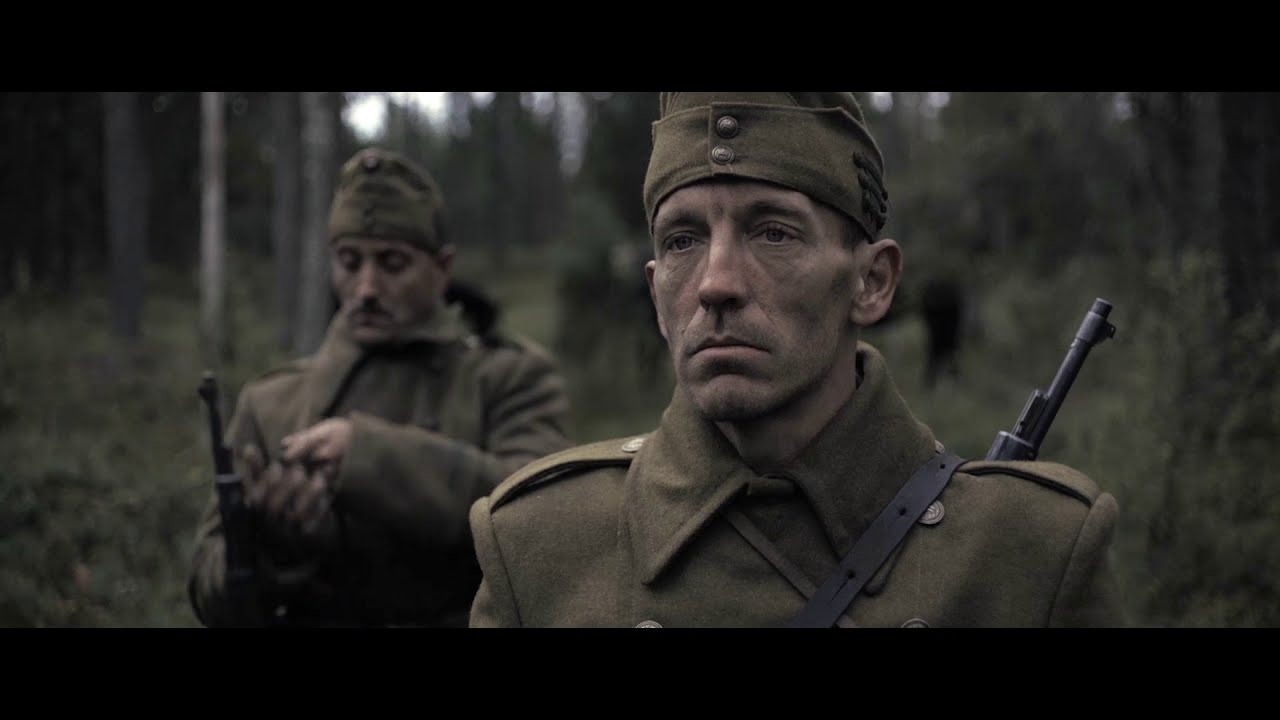
In the icy woodland of Soviet-occupied Ukraine, Hungarian soldiers allied with the Axis, try to secure territory and root out the pro-Soviet partisans in the forests, in a slow and trudging test of morality.

Istvan Semetka (Ferenc Szabó) is an Hungarian farmer turned Corporal who appears hollowed out by his 8 months service. Quieter than most, more of an observer, it is no coincidence that he carries a camera alongside his rifle. Much of the film is communicated through silent exchanges, forcing us to interrogate people’s expressions and find the meaning or emotion.

Peasants in the village become hostage to these soldiers, forced to look down at the ground in deference for fear of arousing hostility. But when Semetka catches one of the villagers eyes, you get the impression that he sees them, that he is allowing himself to be empathic. Through a stony blank-expression and pained silence we understand that he is a man tortured. This is hardly the Hollywood heroics of Oscar Schindler, Semetka isn’t even a hero, he is simply a man reckoning with the deeds that he has committed, opening his eyes to the horror.

The stillness of the remote village plays against the occasional bursts of violence, of attacks from the camped out partisans – a reminder of the barbarism that is being resisted. Whilst Semetka’s impassive gaze may give an emotionless feel to the film itself, especially when shielded from the more ghastly actions off-screen, it draws you in to find the humanity. Dénes Nagy makes his feature debut with Natural Light, but his documentary experience bolsters the film in its use of observation.

If you have the patience, and find its stillness intriguing, it is an involving watch and shows how complex human emotions can be communicated without dialogue. 

Create a free website or blog at WordPress.com.

Up ↑